400 Level Economics Students of Adamawa State University Explore Market Regulation During FCCPC Visit to Abuja
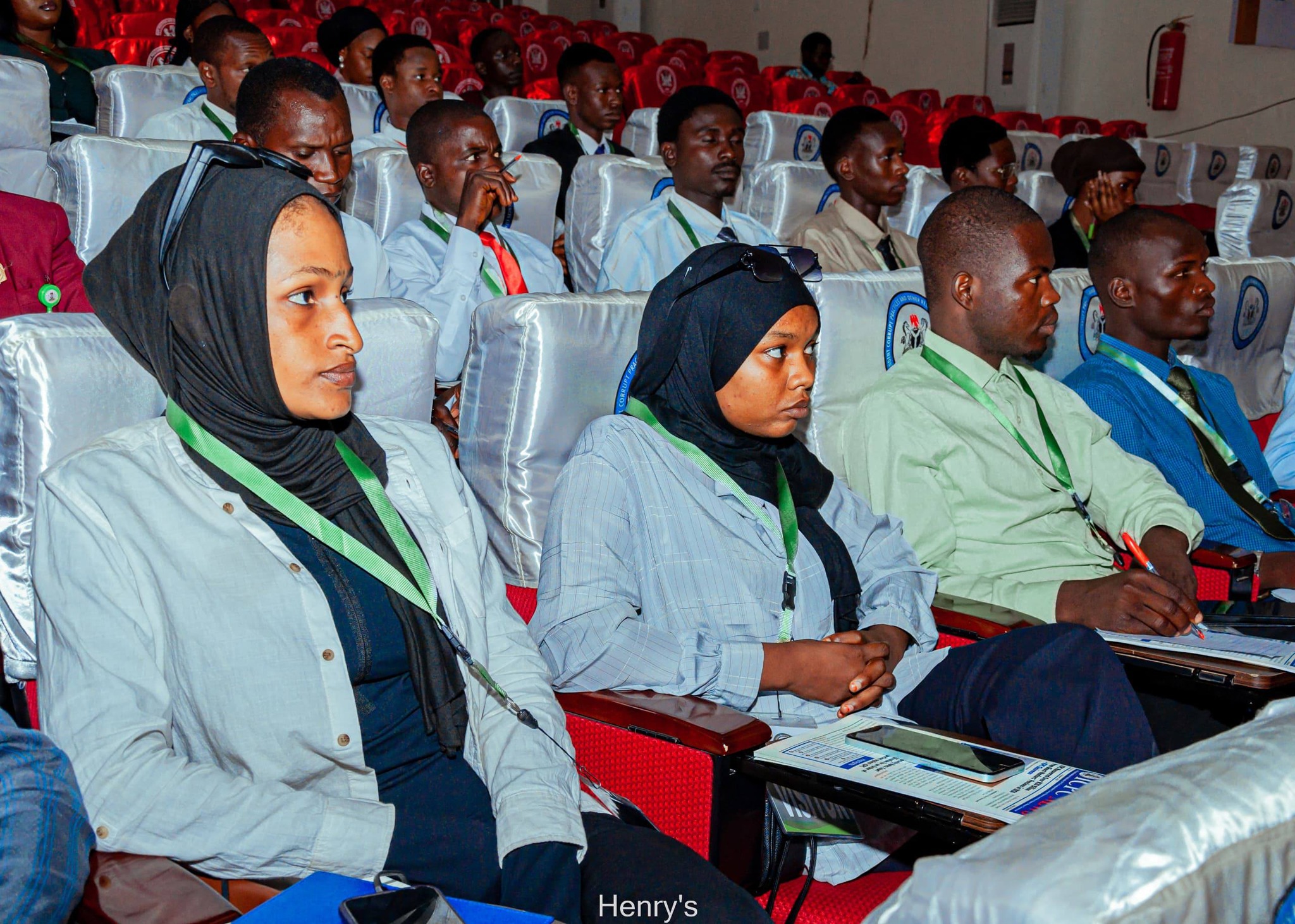
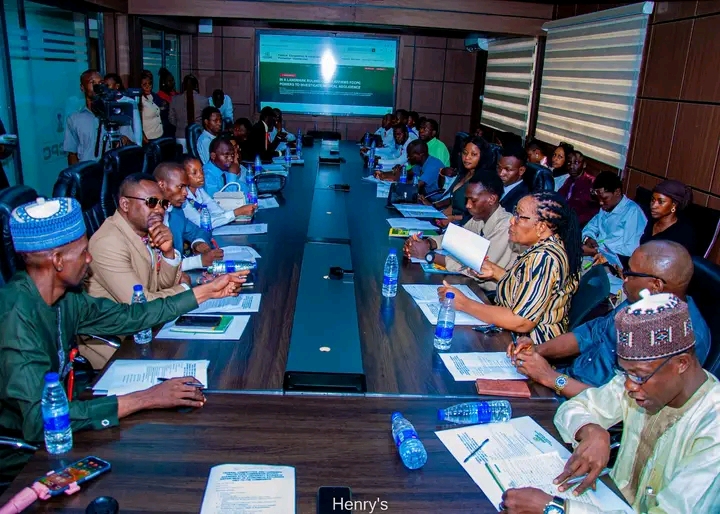
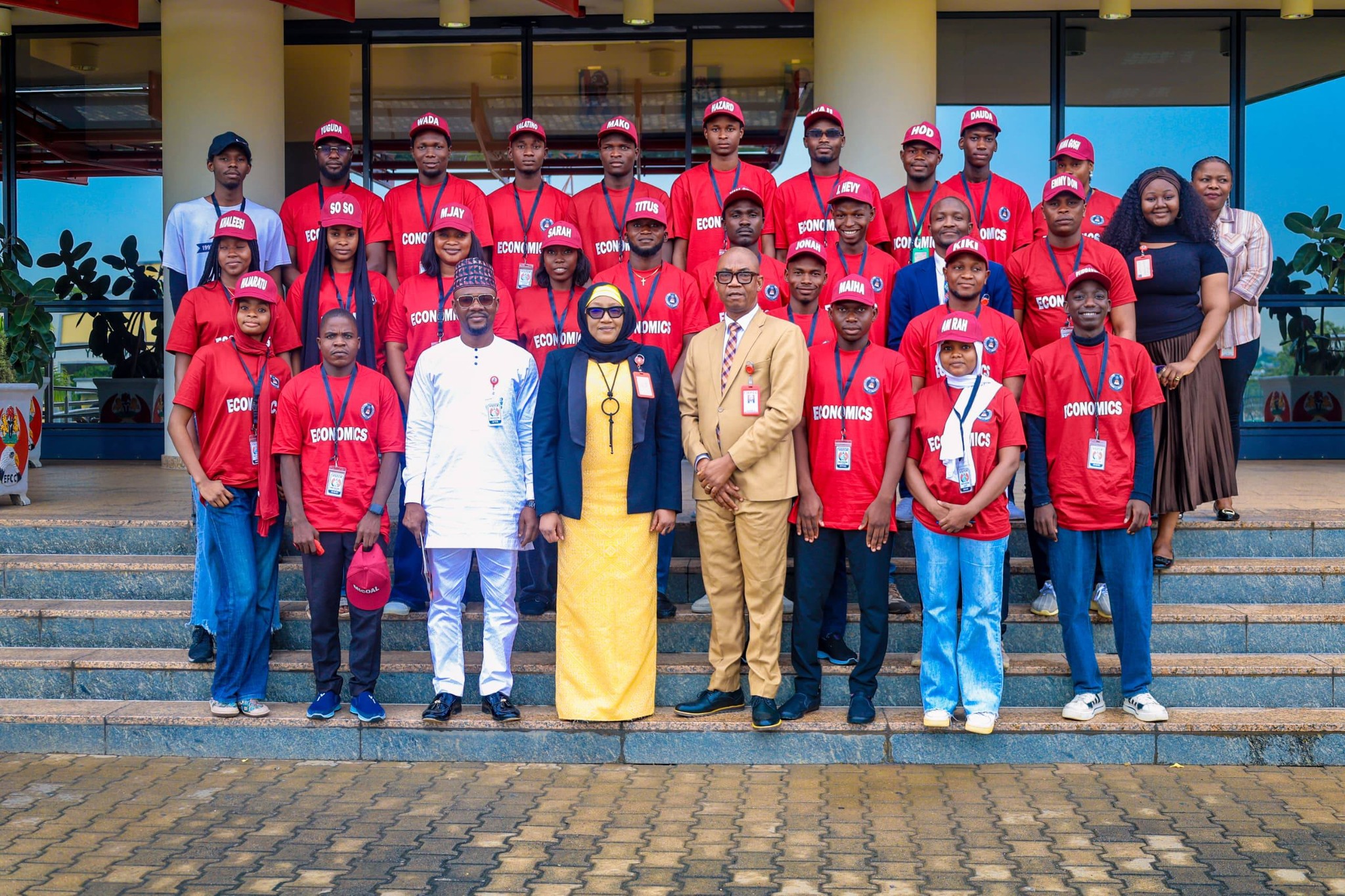
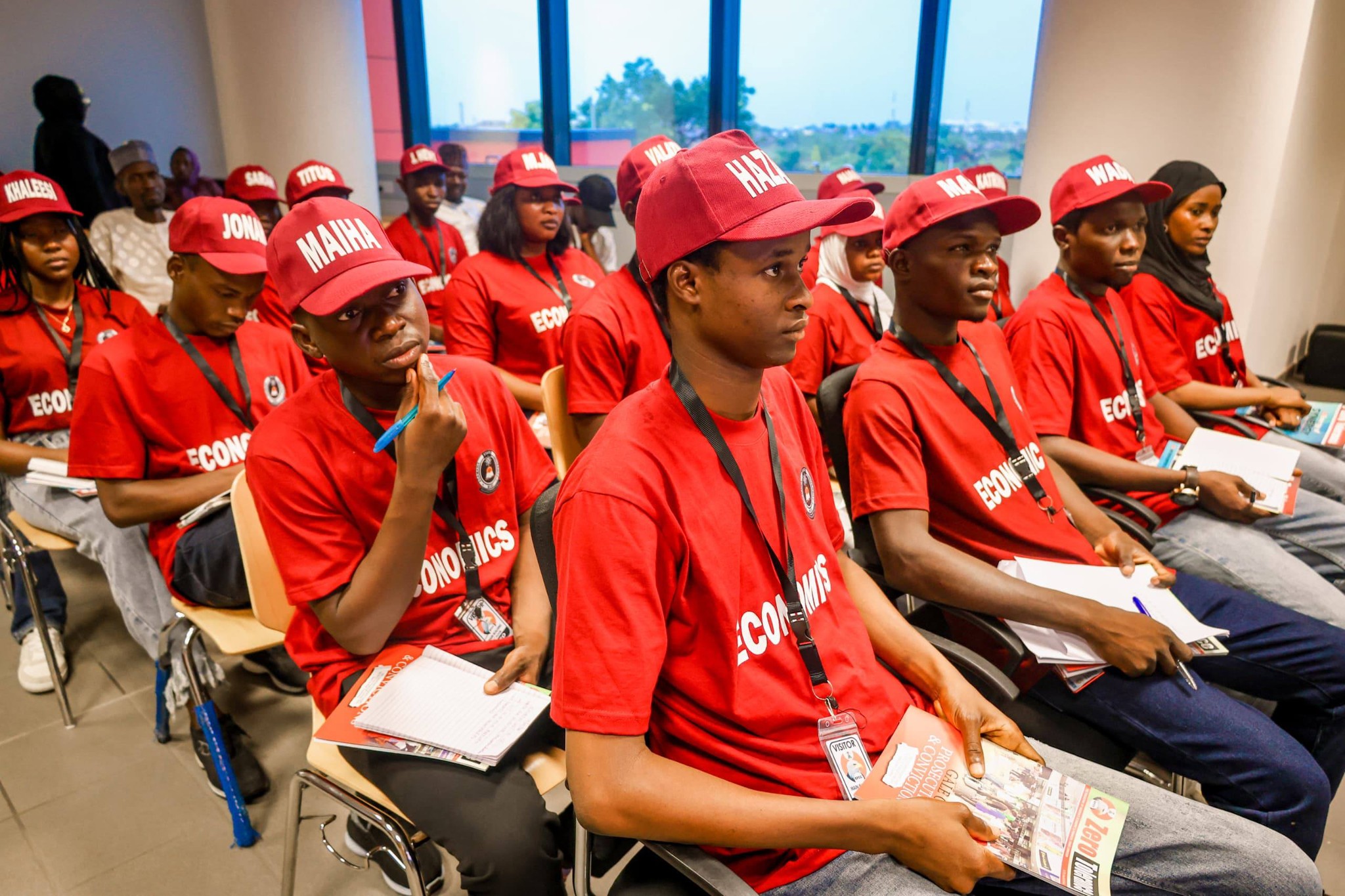
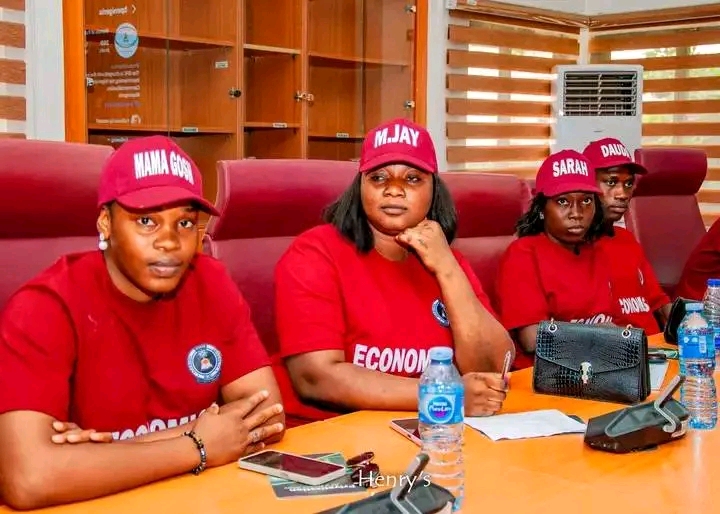
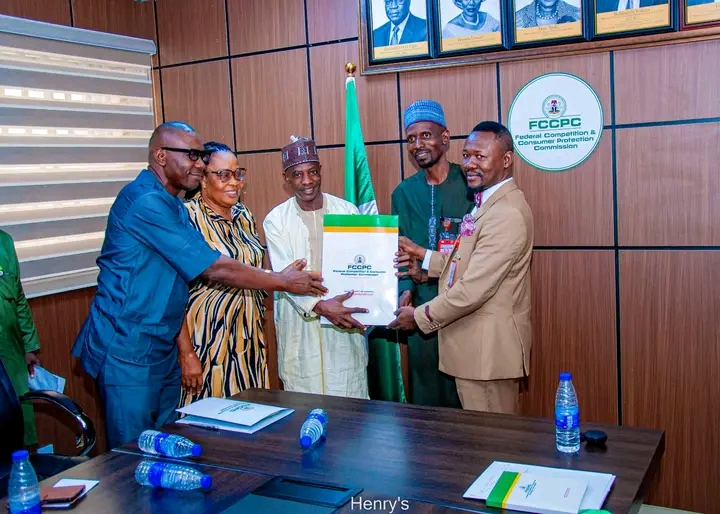
Economics students from Adamawa State University (ADSU) gained firsthand insight into competition policy and consumer protection during an educational excursion to the Federal Competition and Consumer Protection Commission (FCCPC) on 18th May, 2026.
The visit focused on the Commission’s mandate to promote fair markets and safeguard consumer welfare across Nigeria. During the engagement, FCCPC officials explained how the Commission investigates monopolies, price-fixing, and other unfair business practices in order to prevent market distortions and encourage healthy competition within the economy.
Students were also enlightened on the Commission’s role in enforcing consumer rights, including ensuring access to safe products and providing fair resolutions for complaints relating to poor services and defective goods. Officials highlighted some of the Commission’s recent interventions, including actions taken against non-compliant real estate developers in Abuja, as well as the regulation of digital lending platforms to curb predatory interest rates, harassment, and unauthorized use of customers’ data.
The excursion provided students with a practical connection between economic theories learned in the classroom and the realities of public policy implementation. It further demonstrated how regulatory institutions play a critical role in addressing market failures, protecting consumers, and promoting economic stability in Nigeria.
According to the officials, the engagement forms part of the Commission’s broader awareness campaign aimed at educating young economists and future policymakers on the importance of competition and consumer protection in national development.
The Students Conclude Academic Excursion with visit to the Bureau of Public Enterprises (BPE), Abuja.
Abuja, Nigeria – May 19, 2026
Students of the Department of Economics, Adamawa State University (ADSU), Mubi, successfully concluded their academic excursion with a visit to the Headquarters of the Bureau of Public Enterprises (BPE) in Abuja on Tuesday, 19th May, 2026.
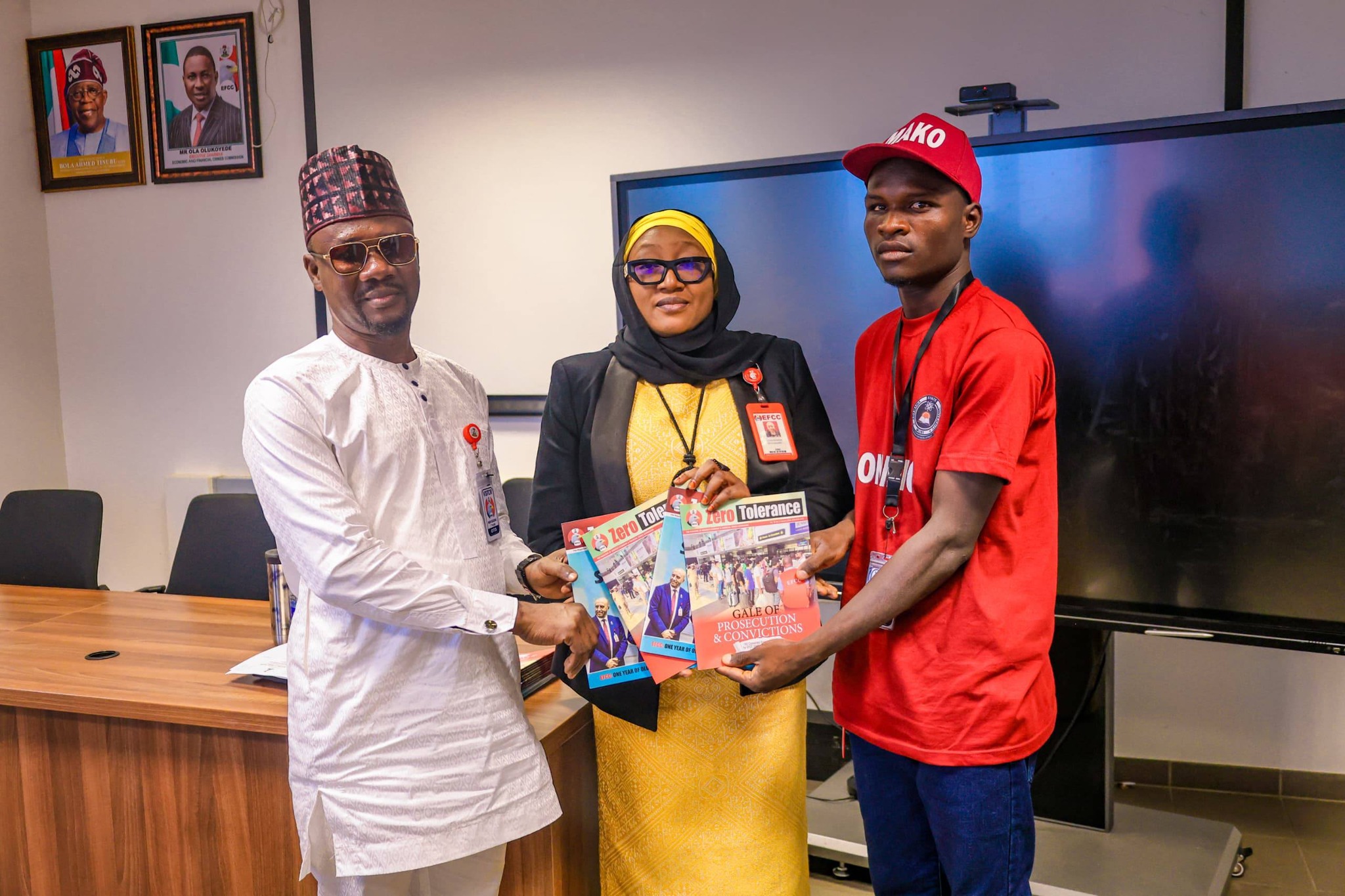
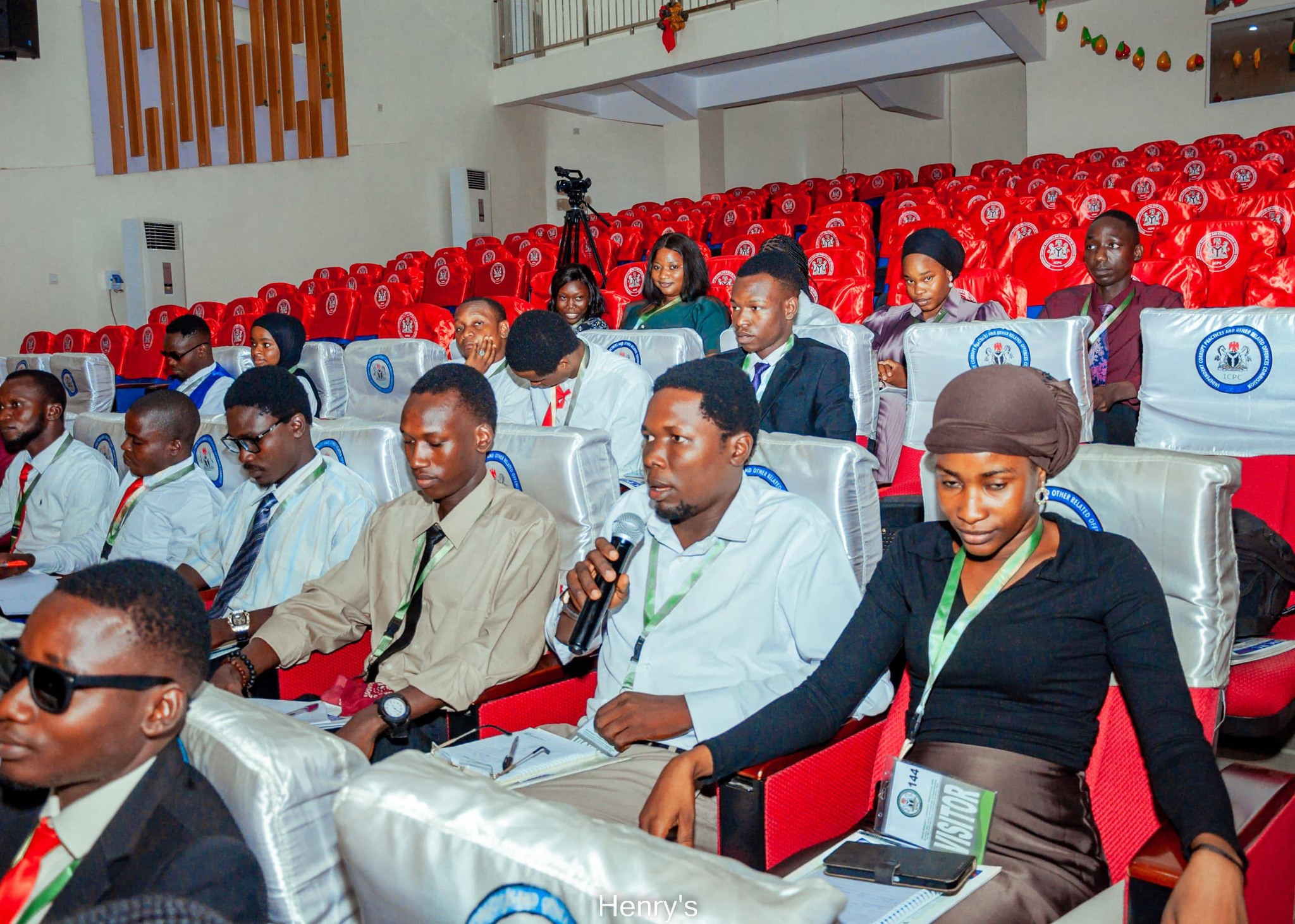
The visit formed the final phase of a comprehensive four-institution educational excursion which earlier took the students to the Independent Corrupt Practices and Other Related Offences Commission (ICPC), the Federal Competition and Consumer Protection Commission (FCCPC), and the Economic and Financial Crimes Commission (EFCC). The excursion was organized to expose students to the practical workings of major economic and regulatory institutions in Nigeria and to bridge the gap between classroom learning and institutional realities.
Upon arrival at the Bureau, the delegation was warmly received by officials of the agency, who provided an overview of the history, mandate, and operational structure of the Bureau of Public Enterprises. The officials explained that the BPE was established under the Public Enterprises (Privatization and Commercialization) Act of 1999 as the Federal Government agency responsible for implementing policies relating to the privatization, commercialization, and restructuring of public enterprises in Nigeria.
During the interactive session, officials emphasized that privatization should not be viewed merely as the sale of government assets, but rather as a strategic reform process aimed at improving efficiency, enhancing service delivery, attracting private investment, and reducing the financial burden on government resources. They further explained that while some enterprises are fully privatized, others undergo commercialization, where ownership remains with government but operations are guided by commercial principles and performance standards.
Students were taken through the core responsibilities and activities of the Bureau, including:
1. Privatization of Public Enterprises – Transferring ownership and management of selected government-owned enterprises to private investors in order to improve efficiency and productivity.
2. Commercialization of Public Enterprises – Reforming public enterprises to operate on sound commercial principles while remaining under government ownership.
3. Sector Reform and Restructuring – Facilitating reforms in critical sectors such as power, telecommunications, aviation, and transportation to encourage competition and private sector participation.
4. Post-Transaction Monitoring – Ensuring compliance with privatization agreements, performance obligations, and investment commitments by acquiring firms.
5. Policy Advisory Functions – Advising the Federal Government on best practices in enterprise reform, public sector efficiency, and private sector participation.
The session further highlighted the importance of institutional reforms in promoting economic growth, market efficiency, and sustainable national development. Students observed that the practical explanations provided by the officials offered a deeper understanding of privatization processes beyond what is commonly discussed in textbooks and lecture rooms.
The engagement also featured an extensive question-and-answer session during which students interacted with BPE officials on issues relating to power sector reforms, challenges of privatization in Nigeria, post-privatization monitoring mechanisms, and career opportunities within public enterprise management and policy administration.
In his closing remarks, the Coordinator of the Excursion, Dr. Enam P. Abalis, expressed appreciation to the management and staff of the Bureau of Public Enterprises for their warm reception, hospitality, and insightful presentations. He noted that efficient management of public enterprises remains critical to economic growth and national productivity, while emphasizing that transparency, accountability, effective regulation, and political neutrality are essential for successful reform outcomes.
He further recommended:
1. Stronger post-privatization monitoring and enforcement;
2. Greater transparency in privatization processes;
3. Reduced political interference in enterprise reforms;
4. Improved capacity for regulatory institutions; and
Increased public awareness and education on the benefits of economic reforms.
Dr. Abalis also commended the students for their discipline, active participation, and exemplary conduct throughout the excursion, noting that their behavior reflected positively on both the Department and the University. He equally extended appreciation to the Head of Department and the Vice Chancellor of Adamawa State University for their support and approval, which contributed immensely to the success of the academic outing.
The visit to the Bureau of Public Enterprises provided students with valuable practical insight into public sector reforms and the role of private sector participation in national development. Together with the earlier visits to the ICPC, FCCPC, and EFCC, the excursion offered students a broad and balanced understanding of the institutions shaping governance, accountability, market regulation, and economic development in Nigeria.
Lead Lecturers:
• Enam P. Abalis
• Dr. Danjuma Ahmed